
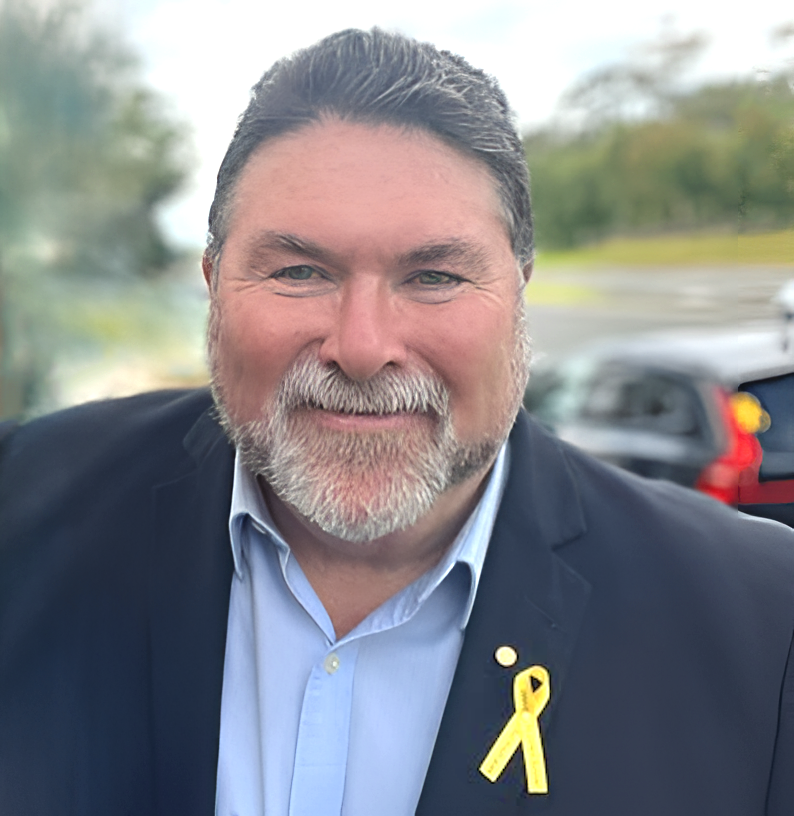
By Peter Frazer OAM, Founder & President, SARAH Group
“Everyone has a Right to Get Home Safe to Their Loved Ones… Every Day… No Exceptions!"
At its heart, road safety is simple… its about saving lives and minimizing serious injuries for those who use our roads and highways… and we know what to do to affect this. Indeed, we have the evidence, the data, the expertise and the technology to significantly reduce the number of people killed and seriously injured on our roads.
As a nation, what we lack is a coordinated leadership and a commitment to unified action… and this what we need to change!
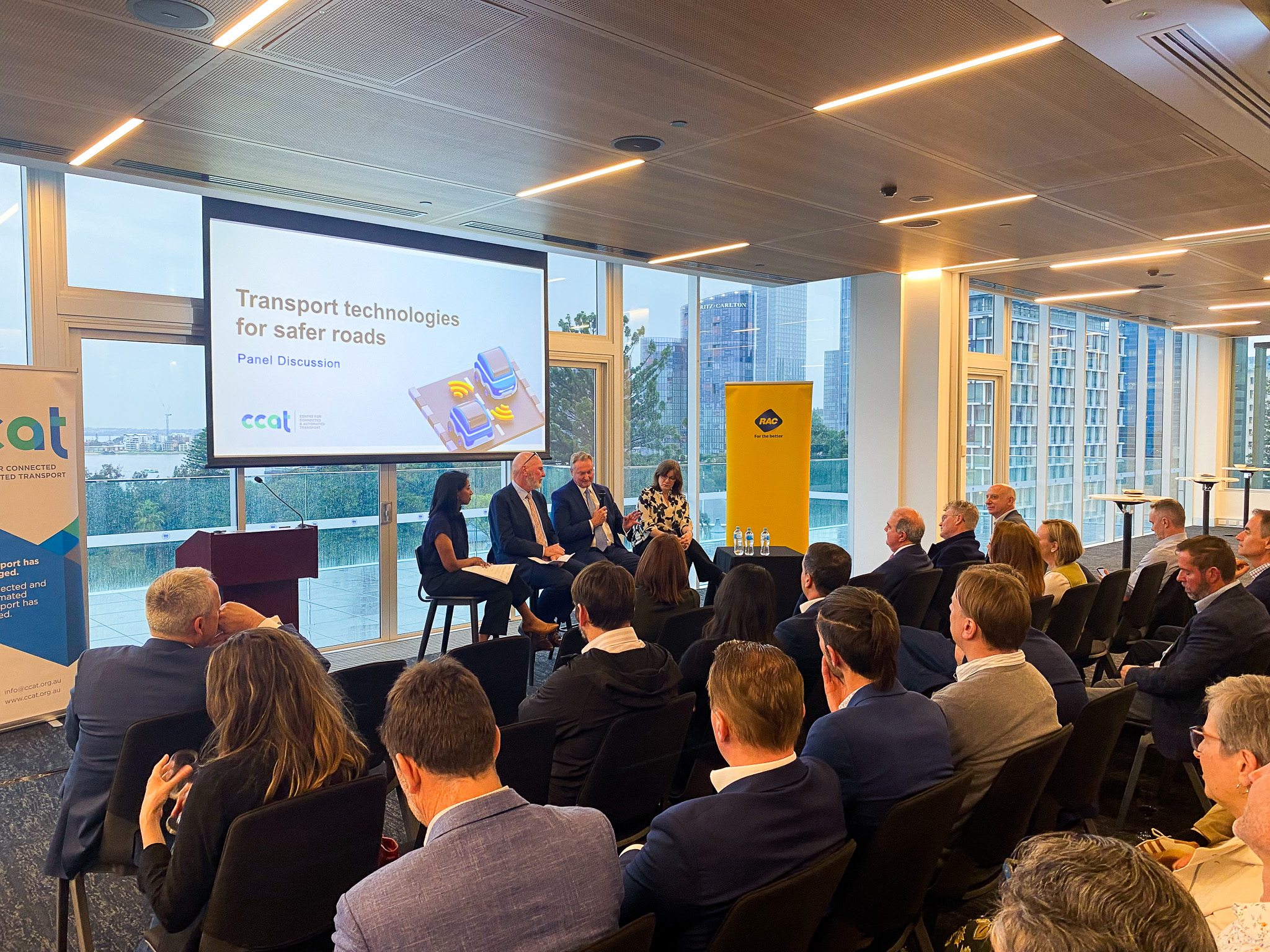
In September 2025, I addressed the National Future Transport Summit at Brisbane City Hall, speaking in strong support of the three Safety Recommendations endorsed by industry leaders, researchers, government agencies and international experts.
The recommendations form a practical and achievable roadmap. They are not abstract policy ideas but moral imperatives that will determine whether tens of thousands of Australians return safe to their families in the decades ahead.
For me, building a safer Australian transport system is deeply personal. Thirteen years ago, my daughter Sarah was killed in a totally preventable crash caused by a distracted truck driver. In a single moment, her future was taken, and with it, the certainty and simplicity of ours was forever lost. That tragedy drives my work every single day and is why the Summit recommendations matter so profoundly to me, and why I believe Australia must act now, not next year, not next decade… Saving lives must start today!
Australia’s road trauma crisis continues to worsen. For more than 20 years, we have failed, and now continue to fail to meet Australia’s National Road Safety Strategy targets. Unfortunately, human error remains the leading cause of fatal crashes, injuries and catastrophic workplace incidents. Yet connected and automated transport opportunities are literally at our fingertips and offer the most significant opportunity to reduce fatalities and serious injuries since the introduction of the seatbelt. They can turn preventable tragedies into non-events.
Let’s imagine a future where a distracted truck driver approaching a breakdown, roadworks, police or emergency services is prevented from making a fatal mistake, because their vehicle is connected to both the road network, and the vehicles on the road ahead. Because of this, their vehicle is immediately aware of hazards ahead, automatically slows down, moves away from the incident, or even stops… and in doing so, prevents the crash entirely. And if a low-speed crash does occur, the vehicle instantly calls emergency services and records vital data for later analysis.
This is the safety transformation C-ITS and automated technologies offer. Not a convenience, a life-saving national investment. This is all the more important when we recognise that road trauma costs the Australian community more than $30billion every single year. So investing in connected and automated transport is one of the most effective and life‑saving investments we can make.
Every connected and automated vehicle is a generator of safety-critical data. Cameras, sensors, radars, GPS and control systems provide real-time information that can help us understand how crashes occur, or when a close call occurs (something SARAH refers to as “near hits” because that is what they are!).
Aviation has long understood this. Every incident is analysed, not to assign blame, but to ensure we learn, and as a result, improve outcomes. By developing strong standards, safeguards and committing to collaboration and data sharing, we can apply this same discipline to radically improve safety across our road network.
To achieve this, Australia must:
In short, harnessing transport data is critical to prevention, as well as prioritizing how we will build roads, systems, vehicles and transport options that actively protect all those on the road ahead.
Australia already has world-class road safety researchers, technologists and innovators. But today, their work is fragmented, and without national commitment, lacks a unified pathway to real-world deployment. Without such coordination, Australia risks slow progress, duplicated effort and, ultimately, missed opportunities for improved safety outcomes.
Let’s be clear…We need an integrated road safety ecosystem, one that accelerates safe innovation and implementation by design, including:
As I noted above, I believe that these recommendations represent Australia’s most credible path toward our goal of “Vision Zero”… that simple principle that no death or serious injury on our roads is acceptable.
For SARAH, every Australian deserves to arrive home safe after every trip, whether as a driver, rider, passenger, pedestrian or worker on the road. That is an inalienable right.
By prioritizing the safety opportunities provided by connected and automated transport, harnessing transport data, coordinating innovation and testing, and most importantly, nudging our community to actively look after one another, we can build a safer future and ensure every Australian can #GetHomeSafe.
That is the purpose of our road safety work and why these recommendations matter.
But as leaders, and influencers, will we act?
For the sake of every family, every community and every life on our roads… We Must!



We’re here to help. If you’d like to learn more about CCAT, explore partnership or membership opportunities, or simply have a question about our work, we’d be happy to hear from you. Reach out to connect with our team and discover how you can be part of shaping the future of transport in Australia and New Zealand.