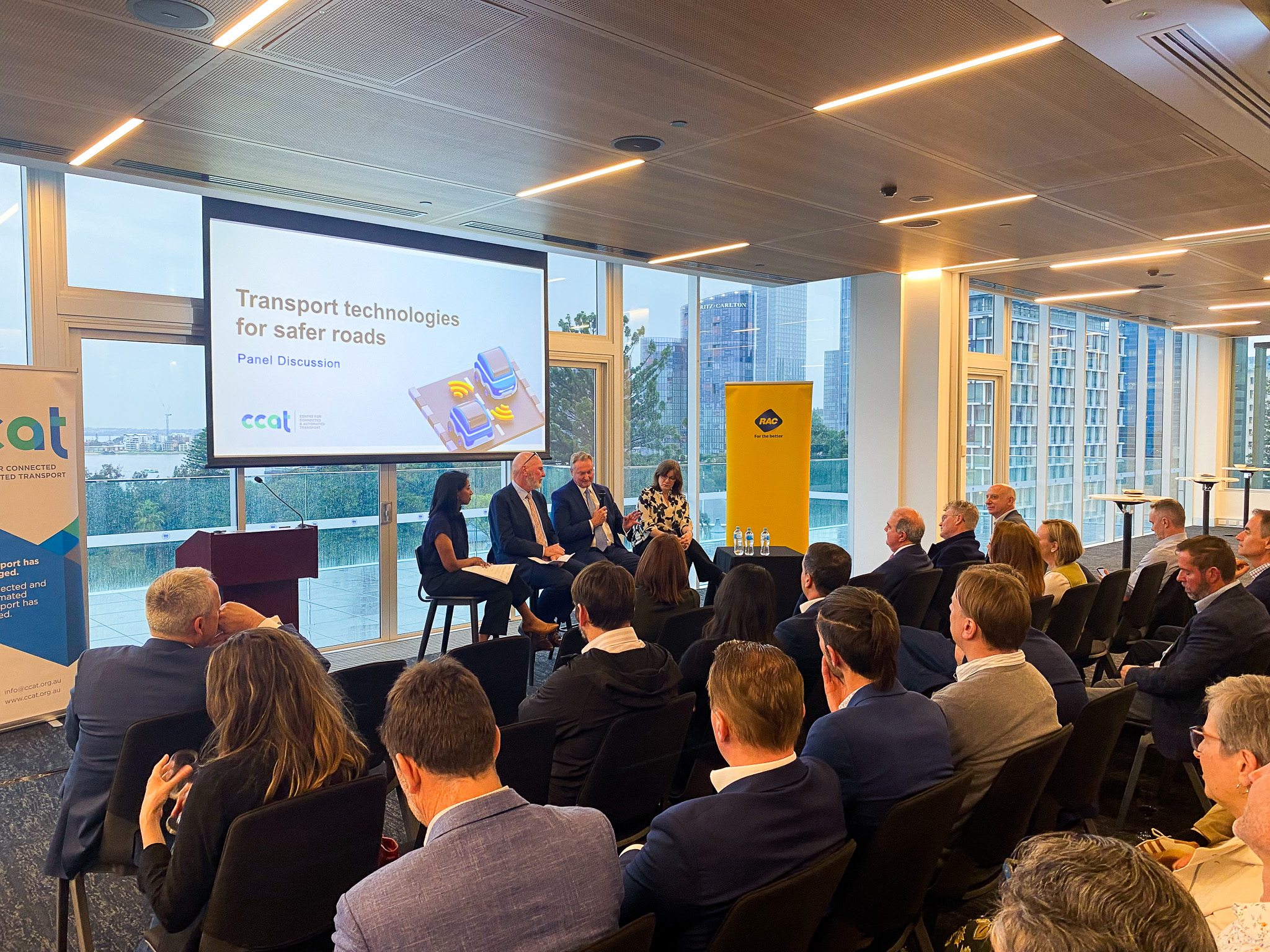

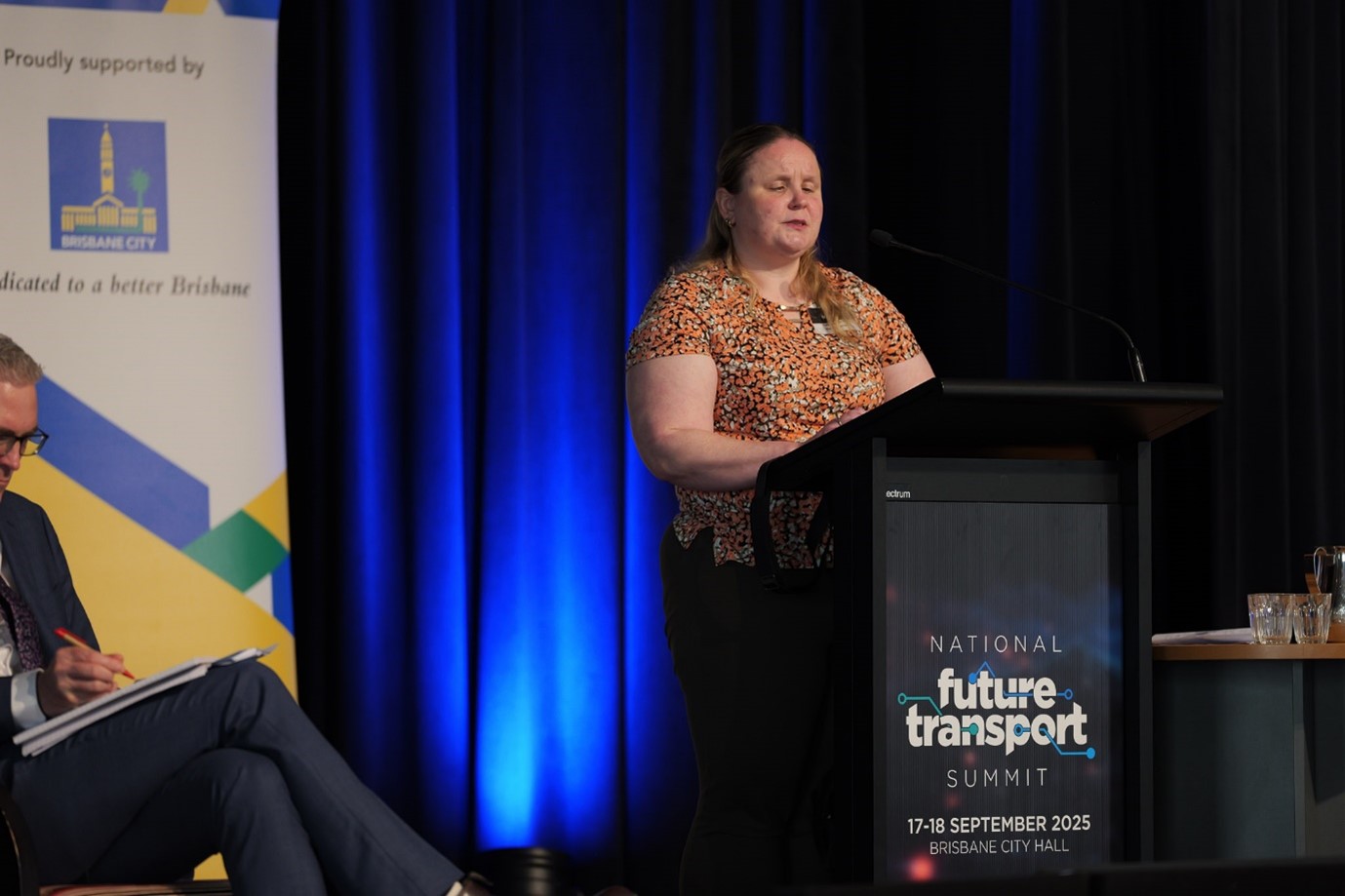
By Caitlin McMorrow, Vision Australia
In September2025, CCAT’s National Future Transport Summit brought together a range of leaders and industry stakeholders to consider what the future of automated and connected transport will look like. A key theme emerging from the discussions was that while technological capability is vital, it will only succeed if we also build public confidence through mechanisms such as effective regulation, meaningful co-design and recognition of the diverse needs that exist within our communities.
The future proliferation of connected and automated transport will bring about profound changes in how all of us access our communities and participate in social, economic and cultural life. There is no question that accessible transport is integral to the operation of Australian society and that it must therefore be inclusive of everyone. Governments, transport regulators and operators have both legal and moral responsibilities to remove existing systemic barriers and prevent new ones from arising. Australia is, for example, a signatory to the UN Convention on the Rights of Persons with Disabilities, under which it must promote the right to independent mobility and access to technologies. Yet what does this look like in practice, and how do we achieve it?
If delivered well, automated and connected transport has the potential to afford people with disability with unprecedented opportunities for independence, equal access and inclusion. These benefits and opportunities will only be fully realised, however, if there is ongoing commitment and meaningful engagement from Government, regulators and industry. If the implementation of these technologies is not inclusive from the outset, new barriers to access will be created and the safety, independence and well-being of the disability community will be compromised.
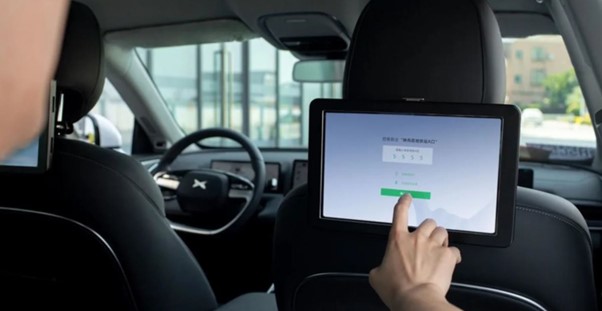
We are already beginning to see the early international adoption of automated vehicles in the form of robo-taxis and in public transport fleets. People with disability typically rely heavily on point-to-point and public transport infrastructure to visit family, get to work and participate in civic life. One of our key concerns as a community is ensuring that the technology behind automated transport and the regulatory framework that underpins its operation eliminate barriers to access, rather than increasing them. The operational interfaces of automated vehicles must be compliant with recognised accessibility standards. For example, if a robotaxi has a touch screen, a blind person will need accessibility features in order to enter destination and payment information. There must be simple and nonvisual ways of interacting with vehicle interfaces that support access. Similarly, where automation fails, people with a physical or sensory disability must be able to independently activate remote assistance where required. In order to ensure these technologies are inclusive, we must consider what multimodal approaches to access might look like, and how we can design transport platforms and interfaces that equally benefit people with diverse needs.
The accessibility of vehicles themselves is only one component of a bigger picture. It is imperative that we have consistent accessibility standards across the transport industry as a whole. The effective operation of a connected transport network relies upon the development of robust, flexible and accessible infrastructure. If people with disability cannot engage with all aspects of the connected transport network, many of its benefits will be lost. A whole-of-journey approach to transport infrastructure is essential in achieving safety, independence and equal access at every stage of travel. A holistic approach to infrastructure development must include planning and navigating to and from stops or stations, as well as boarding, riding, and alighting from transport services. Inclusive infrastructure must integrate accessible wayfinding systems, tactile ground surface indicators, audible announcements, and barrier-free paths to create a seamless experience. Without this comprehensive approach, even a single inaccessible segment can become a critical barrier, limiting mobility and social participation for people with disability.
Safety alongside equitable access is paramount, and there must be a focus on the development of legislative and regulatory frameworks that balance these considerations. For example, if there is a non-negotiable requirement for automated vehicles to have a ‘fallback user’ in the event of technological failure, people who are blind or have low vision will be unable to use them independently. This could, in turn, have significant impacts on our ability to access point-to-point transport options such as taxis and rideshare, as operators of these platforms increasingly rely upon automation in their vehicle fleets. Whilst appropriate safeguarding is both legitimate and necessary, care must be taken to ensure that automated transport is not introduced in such away as to discriminate against certain segments of the population.

There is the potential that, over time, the proliferation of automated vehicles will improve road safety for pedestrians. It is essential that the algorithms used in these vehicles are optimised to accommodate pedestrians with disability, who may not always behave in a typical or predictable way. For example, a human driver can see a pedestrian with a guide dog approaching a street crossing, and can, at least in theory, make changes in their behaviour to account for the fact that the person cannot see their vehicle. Careful thought must be given to the ways in which non-human interfaces can make similar ethical allowances.
In the context of public transport infrastructure, audio announcements and signals will be crucial in enabling vision impaired users to identify the arrival and precise location of an automated vehicle, particularly in busy environments. After extensive advocacy led by Vision Australia, all electric vehicles imported into Australia from November 2025 will be required to have an acoustic vehicle alerting system. These systems are designed for inherently quiet vehicles, and produce an audible alert to pedestrians that an electric car is in their vicinity. This is an essential mechanism to ensure pedestrian safety, and it is our hope that the requirement to implement it and ensure it is enabled at all times will extend to all forms of automated transport.

The introduction of automated vehicles represents a paradigm shift in transport and road usage for everyone. Extensive information and engagement will be needed to build public trust and confidence in these technologies as they develop. It is important that regulators, policy makers and industry leaders involve the disability community in ongoing co-design and consultation. It should be recognised that measures which start out as a reasonable adjustment for a particular diversity group often benefit the community as a whole. Accessible infrastructure generally benefits not only people with disability, but also older Australians, people with an injury or medical condition and parents with prams. Viewed from an economic perspective, if accessibility is considered as a mandatory requirement in the development of both policy and infrastructure, it can be in-built at the early stages of design and procurement. This is typically less costly in the long-term than retrofitting accessibility features after the fact.
Accessible technology, meaningful industry collaboration, well-designed infrastructure and a comprehensive regulatory framework are all crucial in ensuring that the future of automated transport is both innovative and inclusive. The National Future Transport Summit’s focus on holistic infrastructure development, coupled with inclusive design and building public trust through consultation, sets a clear direction to maximise the benefits of automated and connected transport and ensure its implementation prioritises equitable access for everyone.
About Caitlin McMorrow
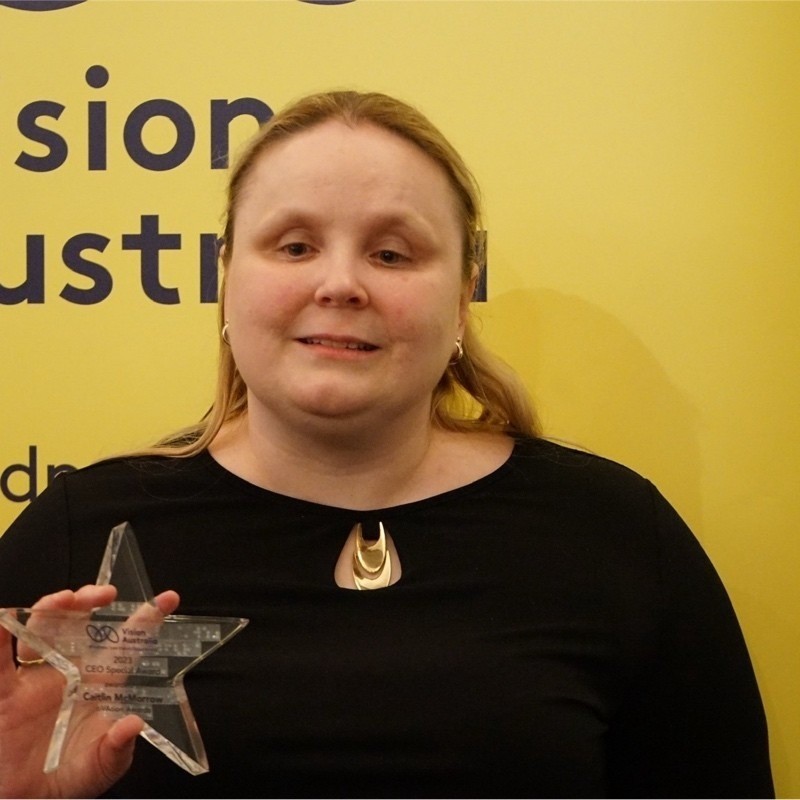
Caitlin McMorrow has worked in the disability sector for 11 years in a variety of roles spanning project management, service quality and advocacy. In her current position at Vision Australia, she serves as the NDIS and Aged Care Funding Specialist, providing strategic advice and expert analysis to the organisation. She also supports the organisation’s systemic advocacy work and leads the preparation of government submissions on key sector reforms. Caitlin has lived experience of vision impairment, and is committed to ensuring that people who are blind or have low vision have equitable access to products, services and opportunities in all facets of life. Her work reflects a strong passion for equity, accessibility, and lasting change in the disability sector.
About Vision Australia
Vision Australia is a leading national service provider, supporting people who are blind or have low vision to live the life they choose. It is a not for profit organisation and a key participant and partner in the international blindness community. The organisation advocates for social change and regularly consults with industry and Governments to shape policies that support greater access, inclusion and opportunity for all.



We’re here to help. If you’d like to learn more about CCAT, explore partnership or membership opportunities, or simply have a question about our work, we’d be happy to hear from you. Reach out to connect with our team and discover how you can be part of shaping the future of transport in Australia and New Zealand.