
By Peter Exner, Exner Group Pty Ltd
Australia’s conversation about connected and automated vehicles (CAVs) has often been framed around the future: what might be possible, what laws may be needed, and when “full autonomy” might finally arrive. Over the past two months, however, the global signals have shifted. The discussion is no longer abstract. It is increasingly about how supervised automation is being approved, used, and trusted today, and what that implies for public confidence, infrastructure planning, and regulatory sequencing in Australia.
Several developments in March and April 2026 are particularly relevant for the Australian audience that CCAT serves: government agencies, industry practitioners, and those thinking seriously about social licence and staged deployment.
One of the most consequential developments has come not from a global regulator, but from a national authority. The Dutch vehicle approval authority (RDW) has moved to type-approve Tesla’s Full Self-Driving (Supervised) software, version 14.3, for use in the Netherlands. While limited to a supervised (SAE Level 2) context, the significance lies in how the approval is structured.
Under European arrangements, a national type approval can be adopted by other member states, rather than every country waiting for a single, harmonised UNECE decision later in the year. In effect, the Netherlands has created a regulatory “beachhead”: a lawful pathway for advanced supervised automation that can expand incrementally, rather than arriving all at once.
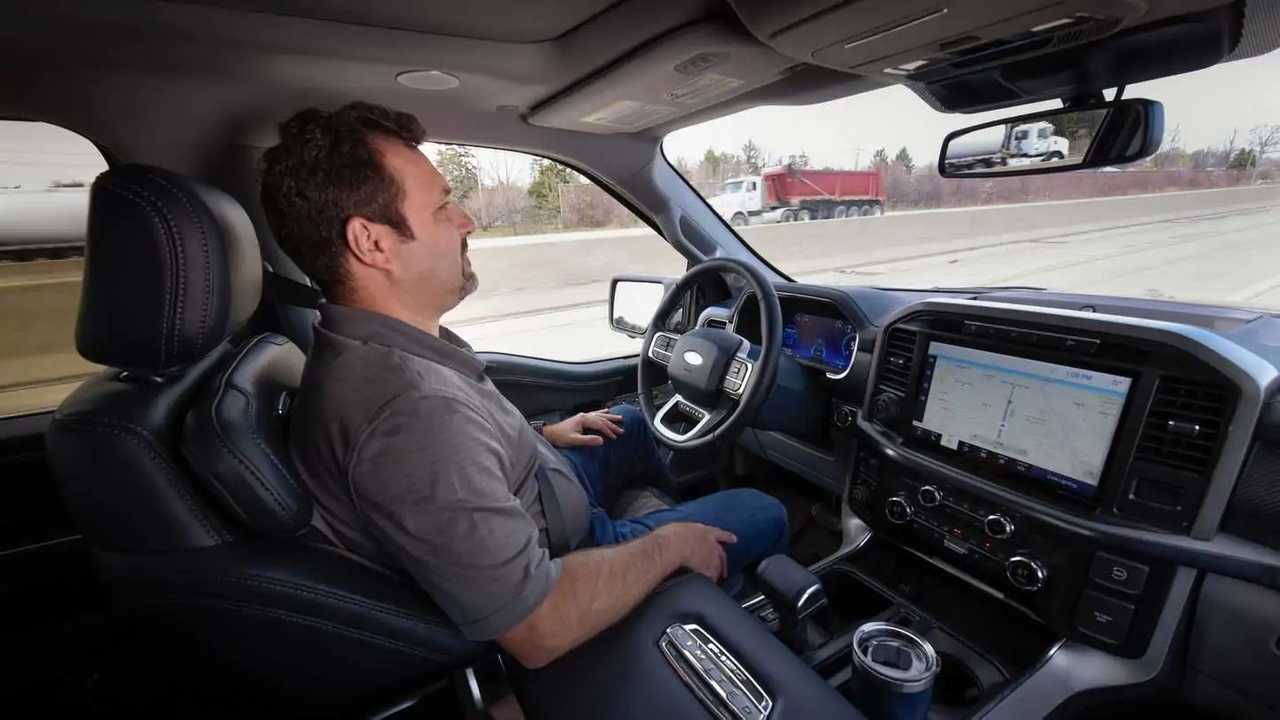
RDW’s approval is for supervised Level 2 systems, governed by existing national and EU regulations. UNECE’s harmonisation efforts later this year focus on Level 3 and above. Other European countries, such as Germany, have already permitted Level 4 automation with remote monitoring in defined contexts, highlighting a patchwork of regulatory approaches across Europe.
The Netherlands approach closely mirrors and reinforces the driver’s legal position in Australia: supervised automation is permitted under existing road rules, where driver responsibility and “proper control” remain central, enabling supervised automation to operate today while more detailed automation specific legislation matures.
A useful analogy emerged recently from an unexpected place. In a discussion highlighted by The Road to Autonomy, commentators drew parallels between automated driving systems and NASA’s Artemis II mission. Artemis II is not a fully autonomous spacecraft mission. It is a computer-controlled system with human supervision, designed deliberately that way because the consequences of failure are unacceptable.
The point is not that driving and spaceflight are equivalent, but that high-risk systems often progress through long periods of supervised automation. Supervision is not a weakness; it is a design choice that builds confidence, data, and trust.
While supervised systems are gaining regulatory approval, large-scale Level 4 robotaxi deployments—such as Waymo in the US and Baidu Apollo Go in China—are ramping up without a human driver in tightly defined domains. However, there is still remote assistance or supervision, demonstrating that as full automation matures and corner cases are resolved, an element of supervision remains essential.
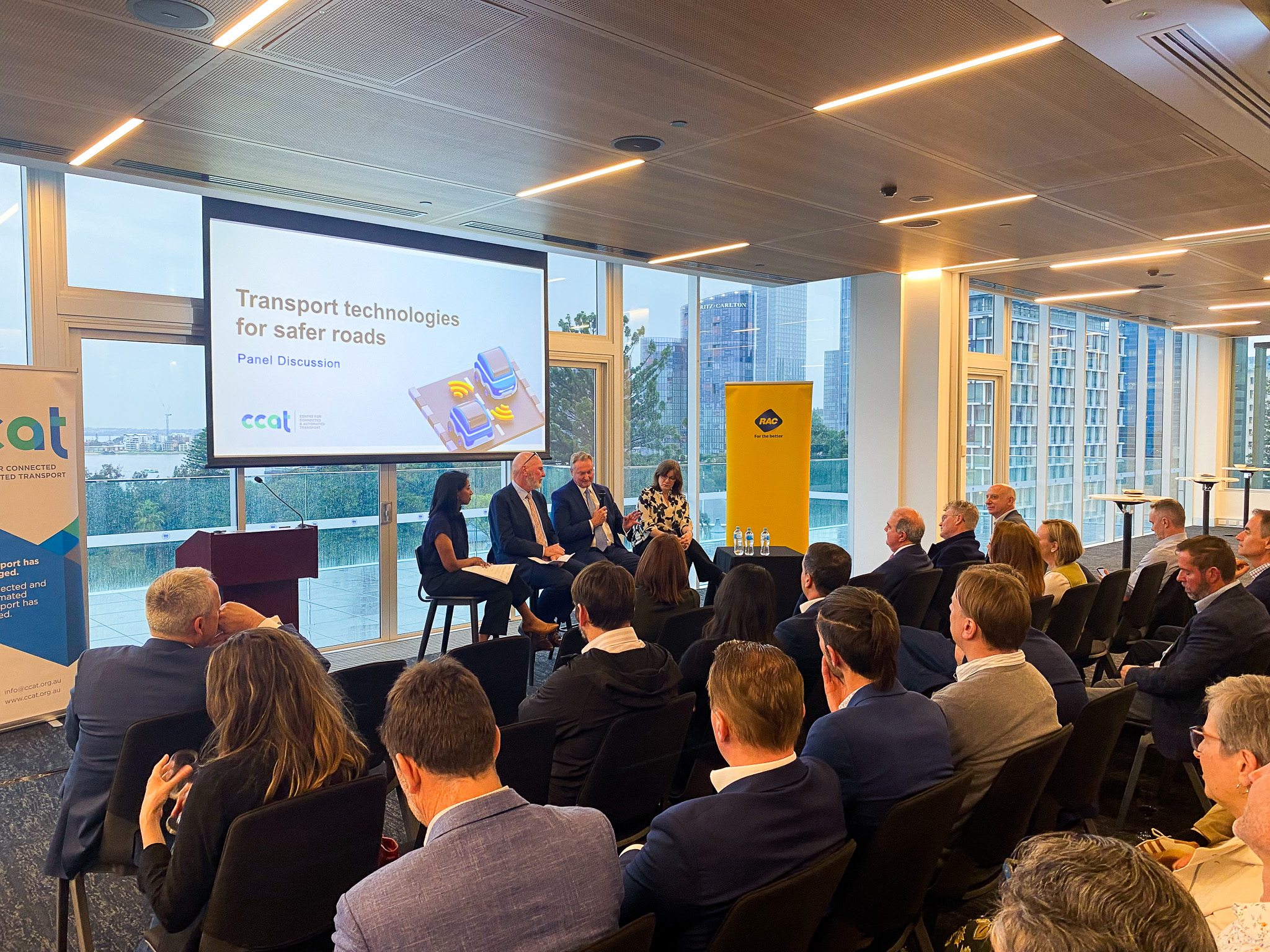
In Australia, CCAT’s March 2026 stakeholder event on public attitudes and social licence highlighted a consistent message: the public is less concerned with SAE levels than with predictability, transparency, and accountability. People want to know what the system can do, when it will ask for help, and who is responsible when something goes wrong. This understanding goes some way towards creating social legitimacy around automated technologies.
This aligns closely with international experience. In Europe, the Netherlands approval does not claim that the vehicle is autonomous in any popular sense; it explicitly reinforces the driver’s role. In the United States and China, robotaxi services operate at Level 4, with no driver present, but remain constrained to specific operational domains and regulatory oversight and an amount of remote supervision.
For Australia, the implication is clear. Public confidence will be built less through bold claims about autonomy and more through conservative, understandable behaviour. Systems that clearly signal their limits and improve safety in observable ways are far more likely to earn trust than those that promise a driverless future prematurely.

Against this backdrop, it is worth briefly surveying where leading developers are positioned.
A common misconception is that smarter vehicles make infrastructure irrelevant. Recent Australian work suggests the opposite. Austroads’ March 2026 report on design principles for adapting roads and infrastructure for emerging mobility technologies reframes the issue clearly: the task is not to rebuild the road network for autonomous vehicles, but to remove unnecessary complexity and inconsistency.
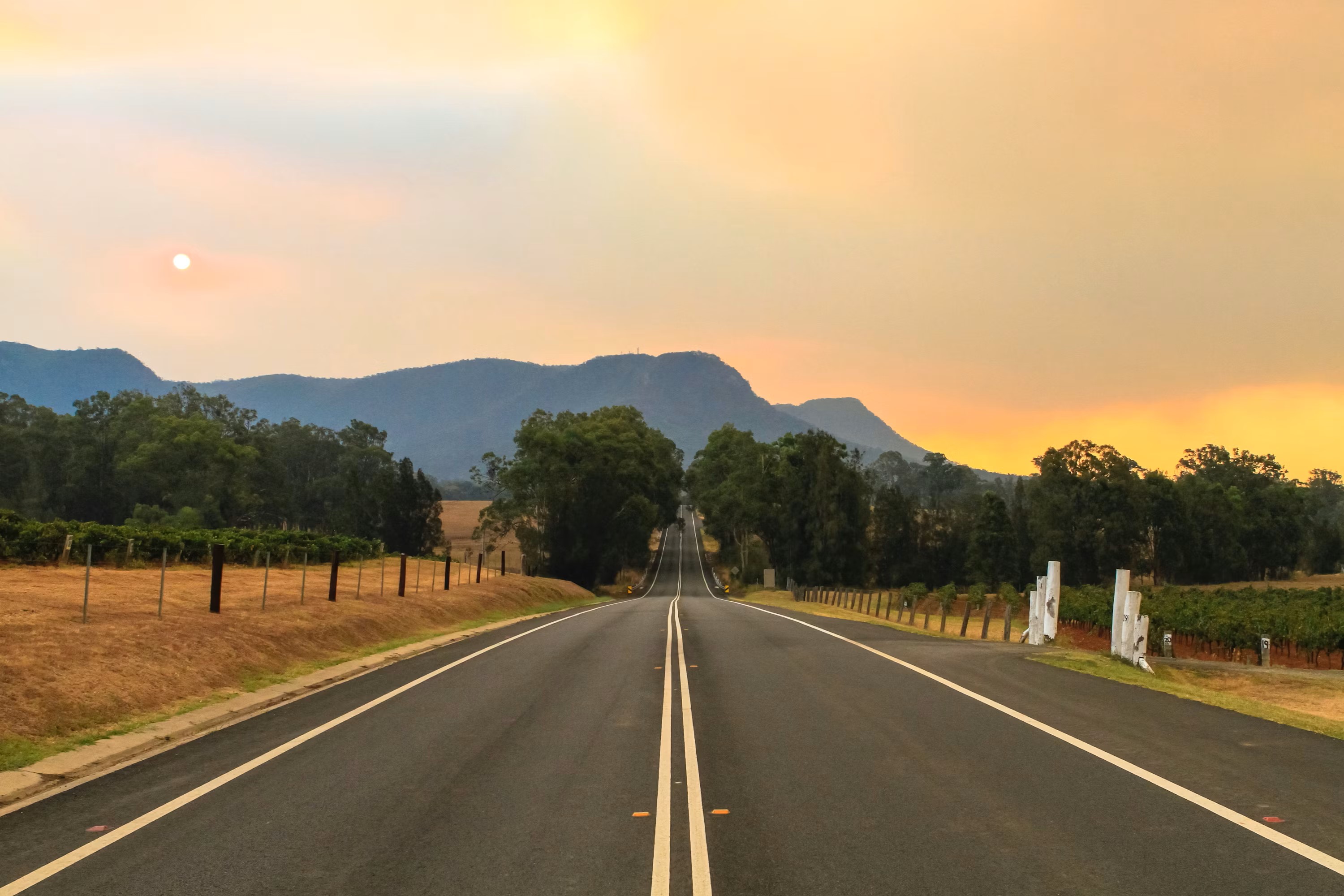
Clear line markings, legible signage, predictable intersections, and well-managed worksites benefit human drivers today and automated systems tomorrow. Equally important is digital infrastructure — accurate, timely information about roadworks, incidents, and temporary conditions.
The message is pragmatic. The future of automation does not hinge on exotic infrastructure, but on disciplined asset management and robust data practices — areas where Australian road agencies already have deep capability.
Australia’s regulatory framework for automated driving has not been waiting for a perfect future law. It has been working with what already exists. The longstanding requirement that a driver maintain proper control has proven flexible enough to accommodate highly capable supervised Level 2 systems. As state and territory governments have recognised, a human remains responsible and able to intervene, and current road rules can apply. That is why Level 2 supervised automation fits within today’s law: accountability still sits with the person behind the wheel, even if the vehicle is doing much of the driving.
The RDW decision in the Netherlands reinforces this logic. By approving a supervised system under existing traffic law rather than waiting for future international harmonisation, RDW demonstrated that supervision is still control. Australia’s approach is aligned. Supervised automation is allowed to evolve under current rules, while the NTC and government agencies continue developing the next stage framework for the point where the driver is no longer responsible. Progress, in other words, does not require rewriting the rulebook overnight — it requires governing what already exists, clearly and consistently.
Australia is not at the back of the autonomy queue. Through CCAT, Austroads, the NTC, and state agencies, many of the foundations for connected and automated transport are already in place. What is changing is the global context.
The Netherlands approval shows that advanced supervised systems can be legitimised nationally. The Artemis II analogy reminds us that supervision is often a rational design choice in complex systems. Recent commentary from The Road to Autonomy and others highlights that deployment success now hinges on operational discipline, not technological bravado. Across the sector, the pattern is clear: the future is arriving through iteration, not disruption.
In the US, Level 4 robotaxi providers are actively engaging with state governments to expand deployment, illustrating the dynamic interplay between local and national regulation. It is important to distinguish between supervised Level 2 deployments, such as FSD, and the unsupervised Level 4 robotaxi operations that have been running for years in select cities.
For Australia, the key question is no longer “when will fully autonomous vehicles arrive?” It is how we manage the long middle period, where humans and machines share control, responsibility remains clear, and trust is built trip by trip.
CCAT’s mandate — to bring government and industry together to plan for connected and automated transport — has rarely been more relevant. The challenge ahead is not choosing winners or predicting timelines. It is supporting Australia through a period of partial automation, where benefits are tangible but risks must be actively managed.
By focusing on social licence, practical readiness, and internationally informed governance, CCAT and other agencies planning for automated vehicles can help ensure Australia neither over-promises nor under-prepares. The global signals of March and April 2026 suggest that the future of autonomy will be quieter, more incremental, and more human-centred than early narratives assumed.
That is good news — for safety, for public confidence, and for the thoughtful planning Australia is already known for.
View Report: 'State of the Industry: Automated Vehicle Control Systems - Key Advances in Vehicle Control and ADAS'
To find out more or share your feedback on this article, contact us at info@ccat.org.au
About Peter Exner, Exner Group
Peter is the Director and General Manager of the Exner Group of companies which comprises consulting and education services. A highly experienced civil engineer, Peter has spent more than 30 years delivering complex projects across building, planning, design and construction. He has authored several industry publications, reflecting his ongoing contribution to advancing engineering practice.




We’re here to help. If you’d like to learn more about CCAT, explore partnership or membership opportunities, or simply have a question about our work, we’d be happy to hear from you. Reach out to connect with our team and discover how you can be part of shaping the future of transport in Australia and New Zealand.