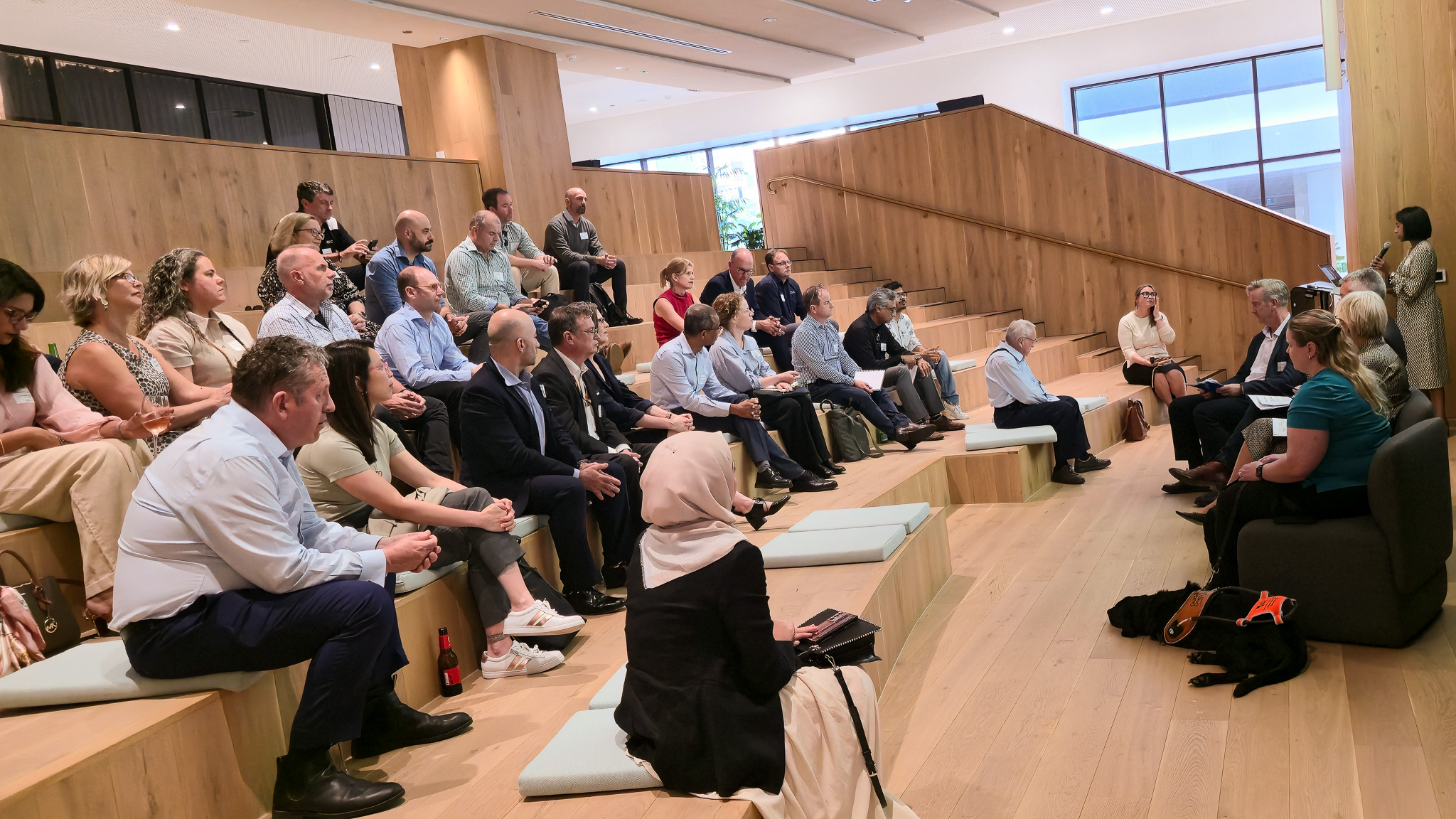
25 March 2026, Brisbane
Advanced vehicles have the potential to transform safety, accessibility, productivity and sustainability across Australia’s transport system. However, these benefits will only be fully realised if communities trust, understand and are willing to use the technology. This was the starting point for a CCAT stakeholder event in Brisbane, which brought together leaders from government, industry and the community to explore the importance of building social legitimacy for emerging transport technologies.
The discussion built on the outcomes of CCAT’s National Future Transport Summit, which engaged more than 100 organisations over two years to develop a shared set of recommendations across six themes. The recommendations relating to the theme of social legitimacy recognised that, without public confidence, the broader benefits of automation risk being delayed or never fully realised.
Opening the session, CCAT Executive Director Rahila David emphasised that public trust is not a secondary consideration, but a precondition for success. She highlighted that achieving outcomes across safety, sustainability, productivity and accessibility depends on ensuring people feel confident in, and can access, these technologies. The event focused in particular on the Summit’s recommendations to improve community understanding and ensure that connected and automated transport meets the needs of diverse users, including people with disability, regional and remote communities and those experiencing disadvantage.
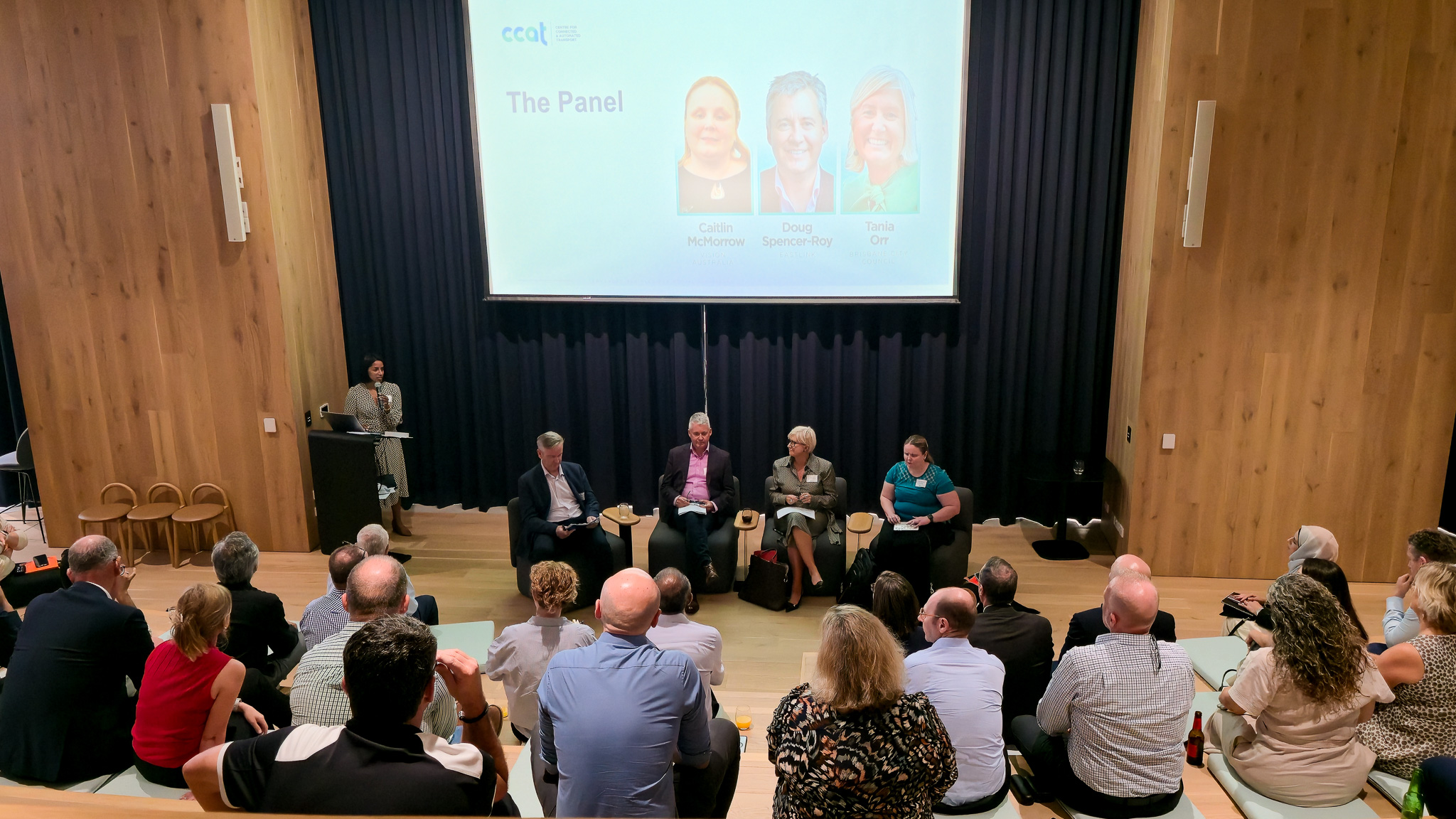
Moderated by Dennis Walsh, Chief Engineer at the Department of Transport and Main Roads, the panel reinforced that social licence extends beyond the technology itself to how systems respond to real human needs. A consistent theme was the importance of early and ongoing engagement with communities in the lead up to implementation of the technology, moving beyond consultation to genuine co-design, particularly with those that are often underrepresented in transport planning.
Caitlin McMorrow, NDIS specialist at Vision Australia, highlighted the critical role of lived experience in shaping better outcomes. She noted that while automated transport presents a significant opportunity to improve independence and accessibility for people with disability, there is a real risk of reinforcing existing barriers if these communities are not engaged early. The discussion emphasised that people with disability are often early adopters of enabling technologies, and that inclusive, transparent co-design can both improve outcomes and de-risk investment. By bringing them into the planning process earlier, there is also the potential for them to become public advocates for the technology.
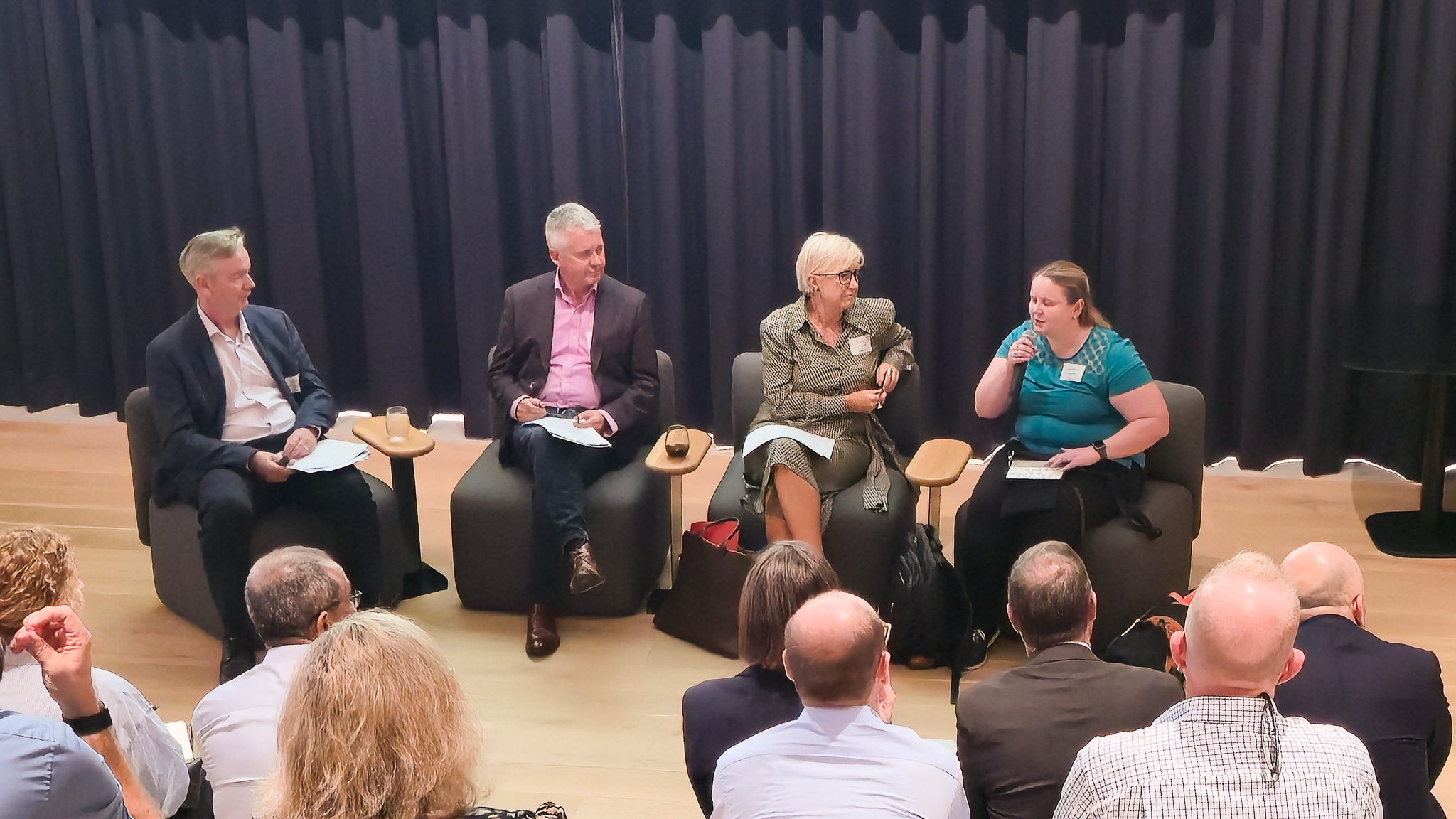
The role of government, particularly local government, was also identified as central to building trust. Tania Orr, Group Executive City Planning and Economic Development at Brisbane City Council, highlighted that as the tier of government closest to the community, local governments are uniquely placed to lead engagement efforts. Drawing on Brisbane’s e-scooter program, she pointed to the importance of clear rules, strong safeguards and proactive communication in supporting safe and accepted deployment, offering practical lessons for future automated transport initiatives.
Insights from recent research reinforced the importance of evidence and real-world data in understanding community attitudes. Doug Spencer-Roy, Corporate Affairs Manager at EastLink, shared findings from EastLink’s annual Self-Driving and Electric Car Survey, one of Australia’s only longitudinal datasets tracking perceptions of advanced vehicle technologies. The results show that while awareness and trust have increased over the last year, significant concerns remain around safety, legal liability, cybersecurity and real-world performance. Public sentiment remains mixed, with growing interest in hands-free driving and automated services, but a continued preference for retaining some level of human control.
A key takeaway from the discussion was the potential to enhance social legitimacy with use cases that deliver clear and immediate public value. Panellists suggested that, in the Australian context, the most impactful applications may not be private vehicles or robotaxis, but rather public transport and freight. These sectors offer more controlled environments for deployment, address pressing workforce challenges and providing clear productivity benefits. Opportunities such as Brisbane’s bus network and dedicated metro corridors were identified as practical pathways for early adoption, particularly in the lead-up to major events such as the Brisbane 2032 Olympic and Paralympic Games.
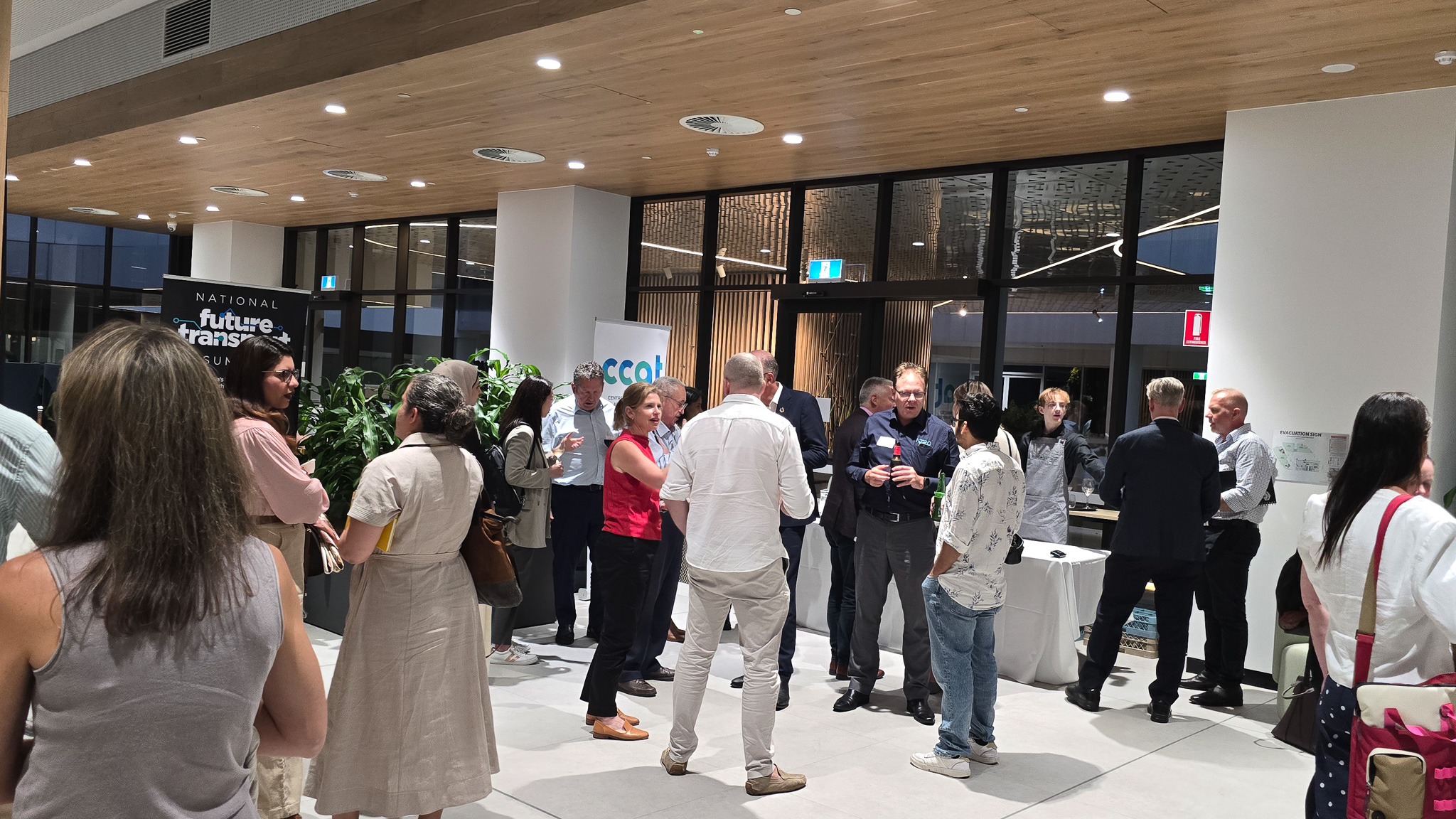
The discussion also highlighted the importance of balancing data-driven decision-making with timely action. While robust evidence is essential, panellists cautioned against waiting for perfect data before progressing, noting that this could delay the real-world benefits already within reach. Instead, a combination of targeted trials, transparent communication and continuous evaluation was identified as key to building trust over time.
The event underscored the need for stronger collaboration across government, industry and the community. Current planning and governance structures were seen as limiting opportunities for industry involvement and innovation, with calls for a more coordinated, inclusive approach to shaping the future transport system. CCAT’s role as a neutral convenor was highlighted as critical in bringing diverse stakeholders together and ensuring that the Summit’s recommendations continue to inform policy and practice.
Overall, the discussion reinforced that the successful rollout of connected and automated transport will depend not just on technological capability, but on building trust, prioritising the right use cases and ensuring that implementation is inclusive, transparent and guided by community needs.
View the results of the EastLink’s Self-Driving and Electric Car Survey


We’re here to help. If you’d like to learn more about CCAT, explore partnership or membership opportunities, or simply have a question about our work, we’d be happy to hear from you. Reach out to connect with our team and discover how you can be part of shaping the future of transport in Australia and New Zealand.